Marine Ecology News Digest – January 2026
January has a way of slipping past quietly. No big announcements. Just field notes, survey logs, small adjustments in temperature graphs, and long hours at sea. If you read marine science papers in winter, you notice something: the tone is measured. Just careful observation.
And yet, taken together, those observations matter.
This month has already delivered a handful of signals — not spectacular, not catastrophic — but revealing.
Cod in the North Atlantic: Cautious Optimism
In parts of the North Atlantic, particularly around Iceland and sections of the Barents Sea, fisheries scientists are reporting slightly stronger recruitment of Atlantic cod. That simply means more young fish entering the population than in recent seasons.
Nobody is celebrating.
Cod stocks have misled us before. What looks like recovery can flatten out quickly if temperature patterns shift or prey availability drops. Warmer waters continue to nudge some populations further north. Spawning grounds that were dependable twenty years ago now look different on sonar.
Still, where quotas have been conservative and ecosystem-based management has held firm, there are signs that restraint does have consequences — the good kind. It’s a reminder that fisheries recovery is not mythical. It just requires patience most markets struggle to maintain.
Antarctic Ice: Uneasy Data
The Antarctic story feels less settled.
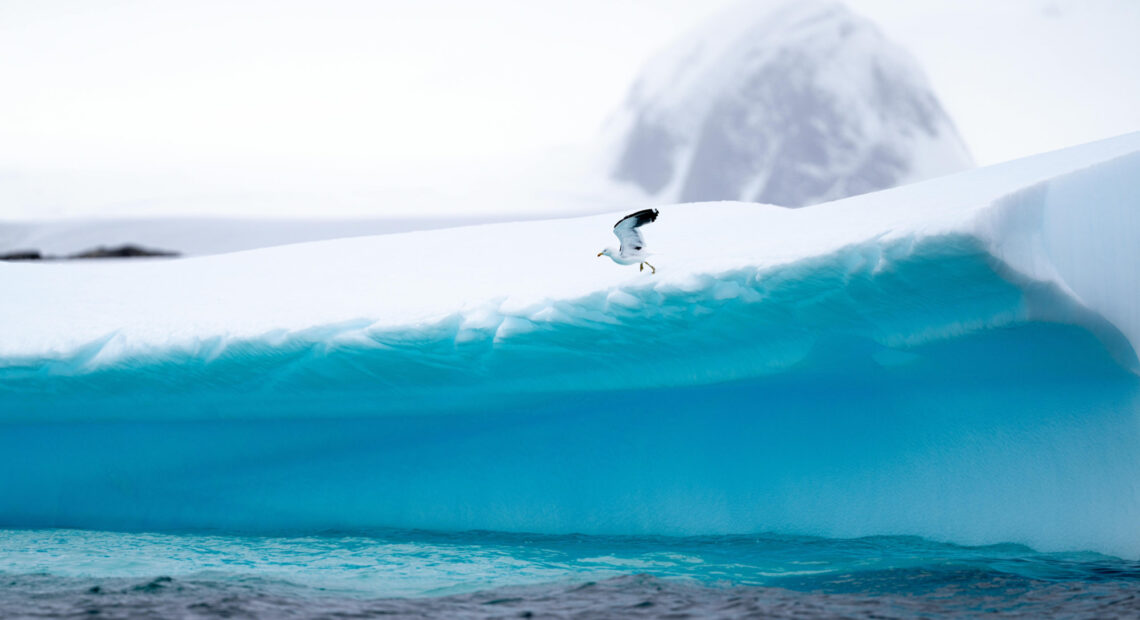
Sea ice coverage remains below long-term averages for a second consecutive southern summer. Antarctic systems don’t behave like the Arctic — they’re influenced by different currents and atmospheric dynamics — but scientists who once described southern ice as relatively stable are now choosing their words more carefully.
Krill researchers are watching closely. Larval krill rely on algae that grows beneath sea ice. Less ice can mean less early nourishment. And when krill numbers fluctuate, everything above them in the food chain notices — penguins, seals, whales.
Acoustic biomass surveys are under way before autumn conditions limit access. Nobody is jumping to conclusions. But the variability alone is unsettling.
Mediterranean Seagrass: The Slow Work of Repair
Closer to European shores, mapping surveys of Posidonia oceanica have confirmed what local divers already suspected in some coastal areas: decline near heavy anchoring zones continues.
Seagrass doesn’t draw headlines. It doesn’t breach or shimmer like coral. But it binds sediment, stores carbon, and shelters juvenile fish. In Mediterranean ecosystems, it’s foundational.
There are restoration projects under way — in Spain, in Italy — and some of them are beginning to show establishment success where anchoring rules are enforced properly. The key phrase there is enforced properly.
Underwater restoration is not symbolic planting. It’s labour-intensive and fragile. One careless anchor can undo months of work. Prevention remains cheaper and more reliable than repair.
Coral Heat Stress: Watching, Waiting
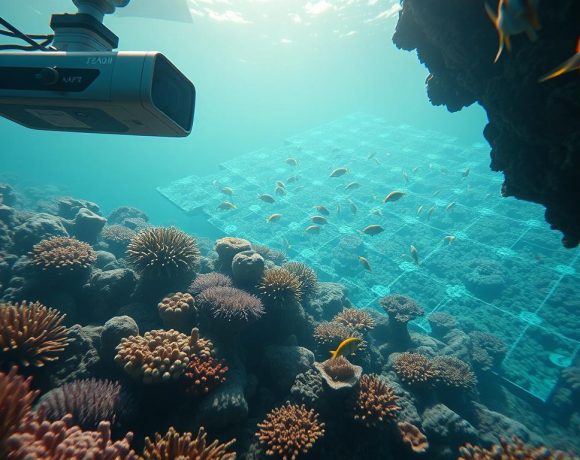
Across parts of the Indo-Pacific, sea surface temperatures have begun trending upward again. Monitoring networks are expanding diver surveys and satellite tracking in anticipation of possible bleaching.
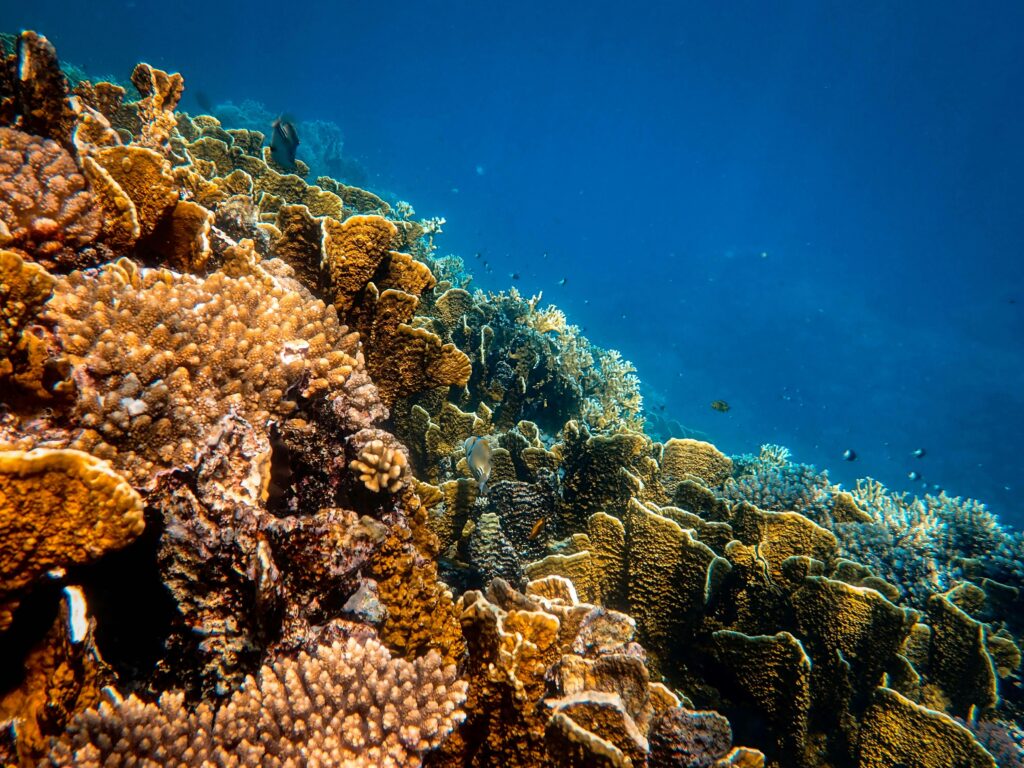
No official basin-wide event has been declared. That matters. Bleaching depends on intensity and duration of heat exposure, not just a temperature spike.
Some reef systems that reduced local pressures — better fishing controls, improved water quality — have shown partial resilience in past events. That doesn’t make them immune. But it does suggest that local management still plays a role even when global warming drives the underlying trend.
In several island communities, reef stewardship is not framed as conservation policy. It’s framed as food security.
Offshore Wind: Complicated Benefits
In the North Sea, ecological monitoring around offshore wind farms continues to produce mixed, nuanced findings.
Turbine foundations are acting as hard substrate in otherwise soft-bottom environments. Mussels colonise quickly. Crabs follow. Small fish take advantage of structure. In that sense, turbines can function as artificial reefs.
But construction phases disturb sediment. Cable routes matter. Exclusion zones change fishing patterns.
It’s rarely a simple “good” or “bad” story. Marine spatial planning is becoming less abstract and more urgent as renewable energy capacity expands.
Microplastics: Following the Rivers
Freshwater systems remain one of the main routes by which microplastics reach coastal waters. January rainfall events in several UK catchments provided useful data: storm surges push fibres and fragments downstream in pulses.
Textile-derived fibres — the invisible residue of washing synthetic clothing — continue to show up in sampling.
Research is moving beyond counting particles. Scientists are examining how microplastics interact with marine organisms, how biofilms form on plastic surfaces, and whether contaminants bind to those surfaces in meaningful ways.
It’s intricate work. Policy, as usual, moves more slowly.
Deep Sea Mining: The Same Questions, Louder
Interest in deep-sea mineral exploration has resurfaced again, particularly in Pacific regions where polymetallic nodules lie scattered across abyssal plains.
Marine ecologists have not softened their caution.
Baseline surveys consistently reveal more biodiversity than previously assumed. Deep-sea organisms often operate on extremely slow life cycles. Disturbance recovery — if possible — could span centuries.
The debate continues to circle a familiar question: how do you assess risk in ecosystems you barely understand?
Saltmarsh in the UK: Letting Water Back In
Along parts of the English coast, managed realignment projects are progressing. Instead of building higher barriers, some authorities are allowing certain low-lying areas to return gradually to tidal influence.
Saltmarshes store carbon, buffer storm surges, and provide nursery habitat. Early monitoring in Essex and the Humber suggests sediment accumulation is proceeding as planned, vegetation taking hold.
It is not dramatic work. It requires negotiation with landowners, careful engineering, and long timelines. But it may prove one of the more practical climate adaptation tools available to coastal communities.
Whale Migration: Subtle Shifts
New tagging data from North Atlantic humpback whales suggests slight adjustments in migratory timing. Some groups appear to be leaving feeding grounds earlier than in previous decades.
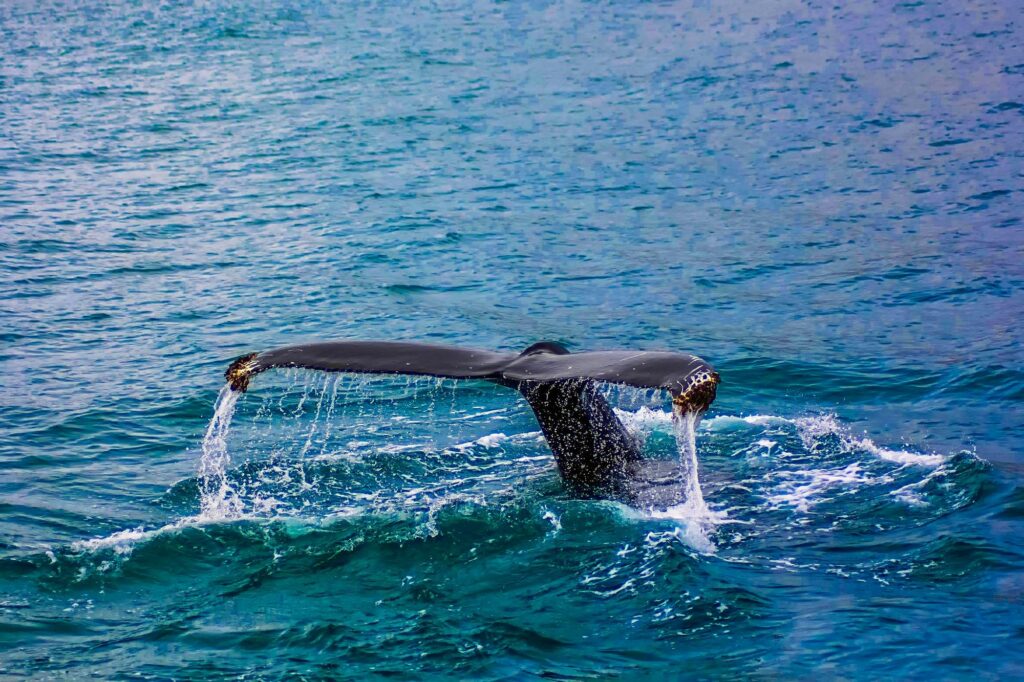
Whether prey distribution changes are driving this remains under analysis. Ocean temperatures influence plankton blooms; plankton influences forage fish; forage fish influence whales.
Marine systems rarely offer single-cause explanations.
Harmful Algal Blooms: Nutrients and Mild Winters
Elevated nutrient levels have been recorded in several temperate estuaries following winter rainfall. While no major bloom events have been triggered yet, milder winters may allow certain algal species to persist longer than historically typical.
Catchment management — agriculture, wastewater treatment, land use — remains central to the issue. Blooms are rarely just “marine” problems. They are land-sea connections made visible.
A Quiet Start
If January has a theme, it may simply be variability.
Sea ice behaving unpredictably. Fish recruitment improving in pockets. Reef systems under watch. Saltmarsh slowly returning. Offshore turbines doubling as habitat.
None of it dramatic enough to dominate headlines. All of it significant enough to merit attention.
Marine ecology does not reset with the calendar. It continues, layered and cumulative. What matters is not whether January feels decisive. It rarely does. What matters is whether monitoring continues, whether management adapts, whether policy listens to the data instead of the news cycle.
The ocean is rarely loud about change. It registers it steadily.
And January, as ever, was paying attention.