Marine Ecology News Digest — March 2026
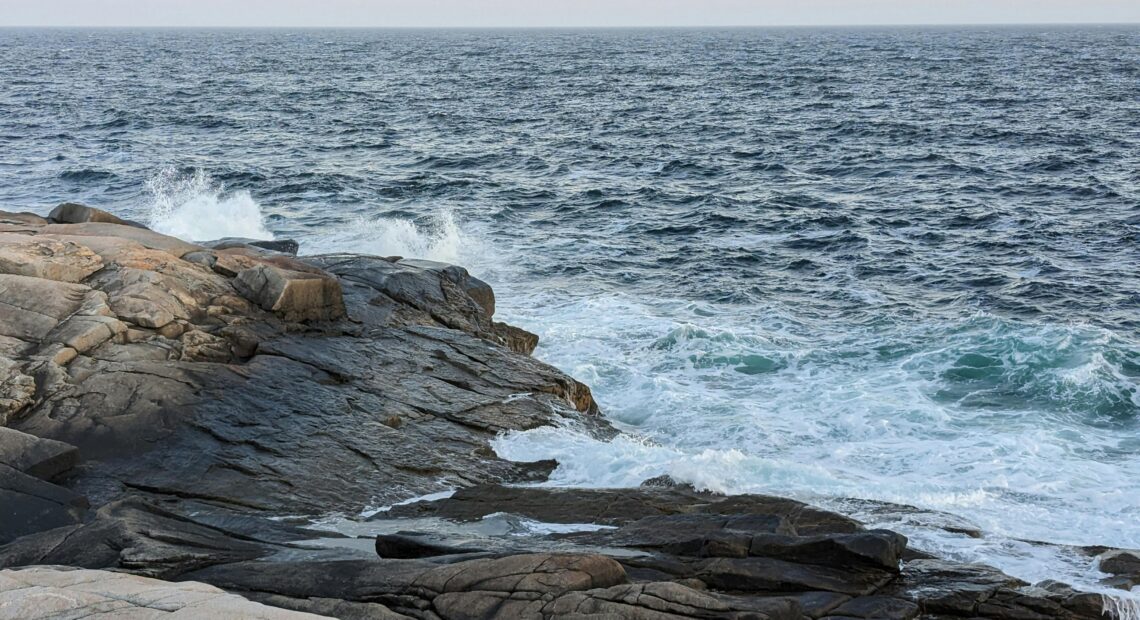
March has brought a subtle but telling set of developments across marine ecology. Nothing dramatic on the surface, yet beneath that calm, patterns are becoming clearer. Seasonal transitions — from winter to spring in the northern hemisphere — have once again revealed how tightly marine systems are tied to timing, temperature, and human activity.
This month’s updates reflect that tension: early biological shifts, mounting regulatory pressure in some areas, and a steady stream of local restoration work that, while small in scale, continues to matter.
Early spring signals in the North Atlantic
Monitoring stations across the North Atlantic have recorded slightly earlier phytoplankton activity compared to long-term averages. These blooms, driven by increasing daylight and stratification of surface waters, form the basis of the marine food web.
An early bloom is not necessarily a problem in isolation. However, timing is everything.
Zooplankton species — which rely on phytoplankton as a primary food source — do not always adjust at the same pace. This creates what marine ecologists describe as a “trophic mismatch”, where food becomes available either too early or too late for the species that depend on it.
In practical terms, this can affect fish larvae survival rates. Species such as cod and haddock depend on precise alignment between spawning and plankton availability. Even a shift of a few weeks can reduce recruitment success.
March’s observations suggest that these mismatches are becoming more frequent, rather than remaining occasional anomalies.
UK coastal waters: water quality remains under scrutiny
In the UK, attention has continued to focus on coastal water quality, particularly following winter discharge events linked to heavy rainfall.
Monitoring groups and local authorities have reported elevated nutrient levels in several estuarine and nearshore areas. While such spikes are not unusual during wetter months, their ecological effects can extend into spring.
Higher nutrient loads can stimulate algal growth, sometimes leading to localised eutrophication. In enclosed or semi-enclosed waters, this can reduce oxygen levels and place stress on marine life.
There is also a growing concern about cumulative impact. Repeated seasonal inputs — even if each individual event appears manageable — may gradually alter baseline conditions.
For marine ecology, this is less about acute incidents and more about long-term pressure building quietly in the background.
Mediterranean: warming trends continue to reshape ecosystems
Surface temperature data from parts of the Mediterranean indicate that winter cooling has been less pronounced than in historical records. This continues a pattern seen over recent years.
Warmer baseline temperatures influence species distribution. In March, reports from the eastern Mediterranean highlighted further expansion of thermophilic (warm-water) species, including certain fish and invertebrates previously uncommon in these regions.
At the same time, some native species are showing signs of stress or displacement.
One notable concern is the gradual “tropicalisation” of parts of the Mediterranean ecosystem. While biodiversity may not decline in simple numerical terms, the composition of species is changing, often favouring those better suited to warmer, and sometimes less stable, conditions.
This shift has implications for fisheries, tourism, and ecosystem resilience.
Coral reefs: preparing for another challenging year
March is typically a period of assessment for coral reef systems ahead of the warmer months. This year, early indicators suggest a degree of caution among researchers.
Sea surface temperature projections point to an increased likelihood of thermal stress in several reef regions, including parts of the Indian Ocean and Pacific.
Following consecutive years of bleaching events in some areas, there is concern about reduced recovery capacity. Coral systems that have not fully recovered are less able to withstand additional stress.
That said, there are still pockets of resilience.
Some reef sites, particularly those with lower local stressors such as pollution and overfishing, continue to show stronger recovery patterns. This reinforces a point that is becoming widely accepted: global pressures are critical, but local management still plays a decisive role.
Seabed protection and marine protected areas
March has seen renewed discussion around marine protected areas (MPAs), particularly in European waters.
Several governments have signalled intentions to strengthen protection measures within existing MPAs, including tighter restrictions on bottom trawling.
While the designation of protected areas has expanded significantly over the past decade, enforcement and effectiveness remain uneven. In some cases, activities that disturb seabed habitats continue within nominally protected zones.
There is increasing recognition that designation alone is not sufficient. Effective management requires clear rules, monitoring, and enforcement — along with stakeholder engagement.
Encouragingly, some pilot projects are beginning to demonstrate measurable ecological recovery where protections are properly implemented. Benthic habitats, once disturbed, can recover — though often over extended timescales.
Deep-sea mining: a pause, but not a resolution
The debate over deep-sea mining has not moved decisively in March, but the direction of travel is becoming clearer.
A growing number of stakeholders — including scientists, environmental organisations, and some governments — continue to advocate for a precautionary pause on commercial-scale operations.
Recent discussions have focused on the lack of baseline ecological data. Without a clear understanding of existing biodiversity and ecosystem function, assessing impact becomes inherently uncertain.
Industry voices maintain that technological advances can minimise disturbance, but evidence remains limited.
For now, the situation remains in a holding pattern: regulatory frameworks are still under development, and commercial activity has yet to scale. However, the underlying tension between resource demand and environmental risk is unlikely to diminish.
Marine litter: attention shifts upstream
While marine plastic pollution remains a visible issue, March has seen increased emphasis on upstream interventions.
Rather than focusing solely on clean-up efforts, several initiatives are targeting sources of pollution — particularly river systems and urban runoff.
Projects in Europe and Southeast Asia have expanded the use of interception technologies designed to capture waste before it reaches the ocean. Early results suggest these systems can significantly reduce local plastic loads.
There is also growing interest in policy measures aimed at reducing production and improving waste management infrastructure.
The shift in focus reflects a broader understanding: preventing pollution at source is more effective than attempting to remove it once dispersed.
Fisheries: adapting to movement and uncertainty
Fisheries management continues to grapple with shifting stock distributions.
In March, updated assessments in parts of the North-East Atlantic indicated ongoing movement of certain commercial species into new areas, likely influenced by temperature changes.
This creates practical challenges. Quota systems and management boundaries are often based on historical distributions, which may no longer reflect current conditions.
Some regional bodies are beginning to explore more flexible approaches, including adaptive quotas and cooperative management across jurisdictions.
These adjustments are complex, both politically and economically, but they are becoming increasingly necessary.
Offshore wind: balancing expansion with ecology
The expansion of offshore wind remains a central element of energy policy across Europe.
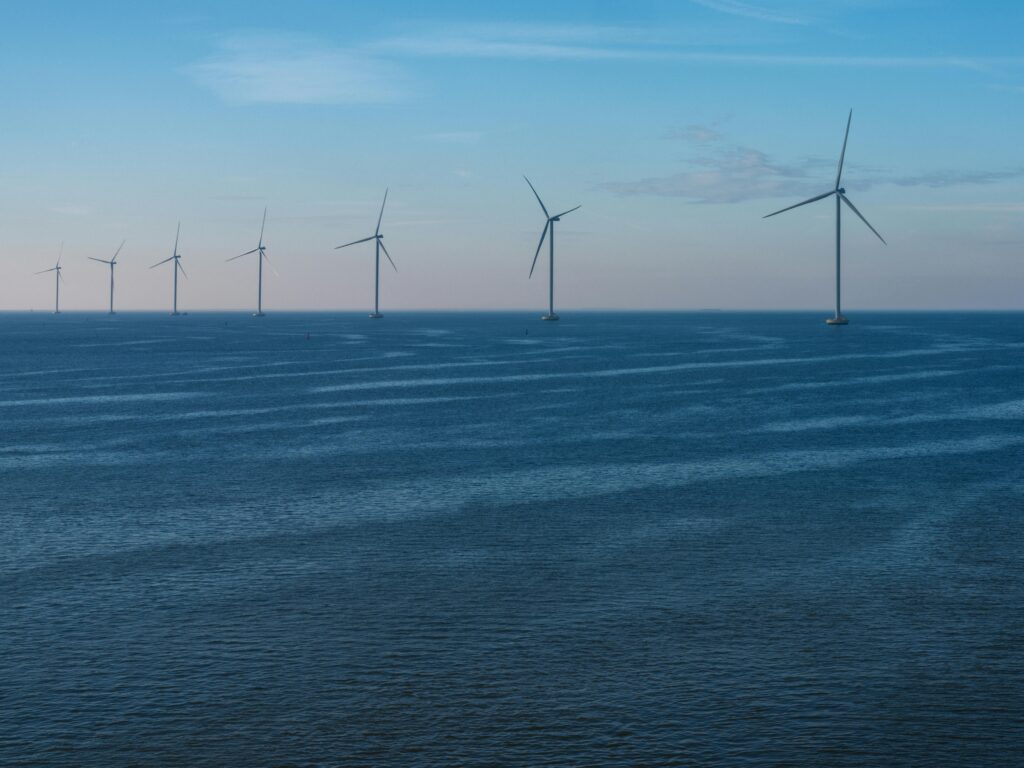
In March, several projects progressed through planning and approval stages, accompanied by updated environmental impact assessments.
The ecological conversation is evolving. Early-stage concerns about construction noise and habitat disruption are now being supplemented by longer-term studies on ecosystem interactions.
There is evidence that some wind farm areas may support increased biodiversity, functioning as de facto refuges where fishing activity is limited. However, this is not universally the case, and outcomes depend on site-specific conditions.
The key challenge lies in cumulative impact. As more projects are developed, understanding how they interact at a regional scale becomes critical.
A quieter kind of progress
If there is a unifying thread this month, it is the importance of incremental work.
Large-scale environmental challenges often dominate headlines, but much of the meaningful progress in marine ecology happens at a smaller scale: restoration projects, improved monitoring, local policy adjustments.
These efforts rarely attract attention, yet they build resilience within marine systems.
At the same time, broader pressures — climate change, resource demand, pollution — continue to shape the overall trajectory.
The balance between these forces remains uncertain.
References and further reading
- Copernicus Marine Environment Monitoring Service: https://marine.copernicus.eu
- International Council for the Exploration of the Sea (ICES): https://www.ices.dk
- UK Environment Agency (water quality updates): https://www.gov.uk/government/organisations/environment-agency
- European Environment Agency (marine ecosystems): https://www.eea.europa.eu
- Global Coral Reef Monitoring Network (GCRMN): https://gcrmn.net
- International Seabed Authority (ISA): https://www.isa.org.jm
- UN Environment Programme (marine litter and plastics): https://www.unep.org
- Marine Conservation Society (UK): https://www.mcsuk.org
- FAO Fisheries and Aquaculture: https://www.fao.org/fisheries
- IEA Wind TCP (offshore wind research): https://iea-wind.org