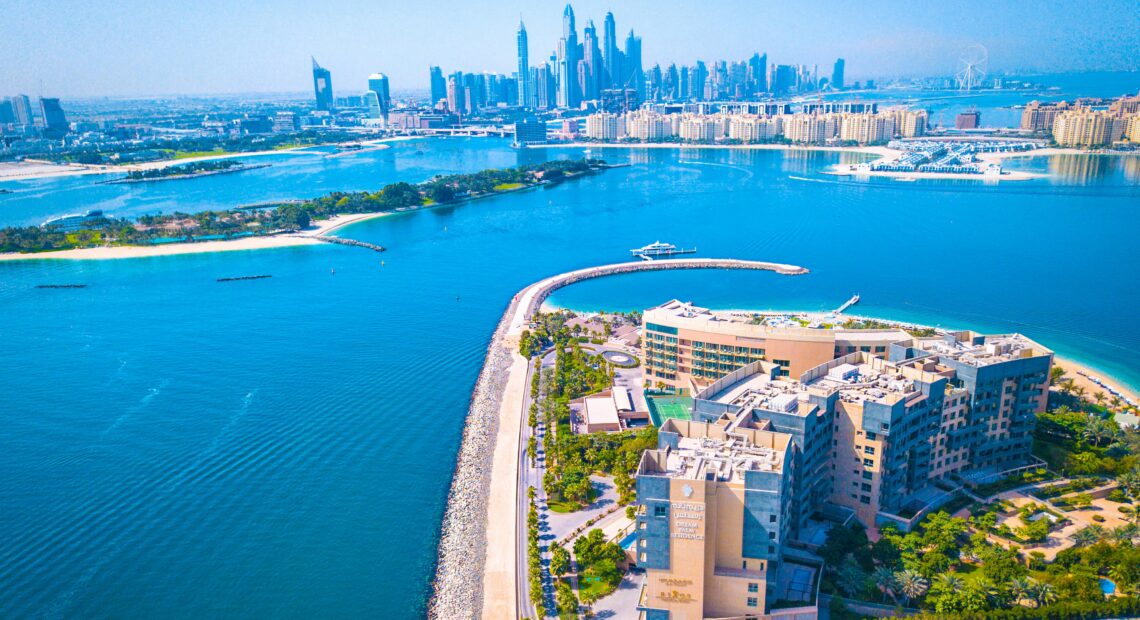
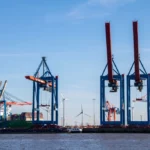
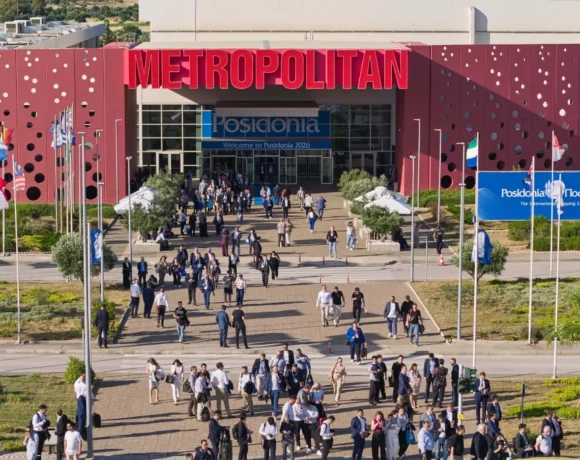
In a region where trade routes have shaped economies for centuries, Seatrade Maritime Logistics Middle East continues to stand out as one of the most important gatherings for shipping, ports, and logistics professionals. Set against the backdrop of Dubai — a city that has become synonymous with global connectivity — the 2026 edition promises a focused, commercially grounded look at where maritime business is heading next.
Unlike some of the larger, more sprawling global exhibitions, Seatrade Middle East has a distinct character. It feels purposeful. Conversations tend to move quickly from introductions to practical matters: routes, capacity, fuel choices, port efficiency, and the realities of operating in a changing geopolitical landscape. For many attendees, that directness is precisely the appeal.
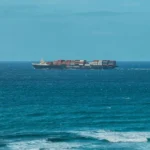
This year, those conversations are likely to be shaped — at least in part — by the conflict involving Iran and the wider region. Recent developments have disrupted shipping flows through key routes such as the Strait of Hormuz, one of the world’s most critical maritime corridors, responsible for a significant share of global energy transport . The situation has led to reduced vessel movements, rising insurance costs, and wider uncertainty across supply chains .
While the industry has always been resilient in the face of geopolitical pressure, there is a shared sense that stability is essential — not only for trade, but for the broader global economy. There is hope across the sector that the current conflict will de-escalate swiftly, allowing maritime activity in the region to return to safer and more predictable conditions.
At its core, the event brings together a broad mix of stakeholders — shipowners, port authorities, terminal operators, freight forwarders, and technology providers — all working across one of the world’s most strategically important regions. The Middle East sits at the intersection of major East–West trade lanes, and that position shapes much of the discussion. Efficiency, resilience, and adaptability are recurring themes.
One of the most noticeable shifts in recent years has been the growing emphasis on energy transition. While commercial pressures remain front and centre, there is a clear recognition that shipping in the region cannot stand apart from global decarbonisation efforts. Expect to see practical discussions around alternative fuels, vessel efficiency, and port-side electrification — not as abstract ambitions, but as operational challenges that companies are actively trying to solve.
Technology, too, continues to play a central role. Digitalisation is no longer a future concept; it is already embedded in day-to-day operations. From smarter port management systems to real-time cargo tracking and predictive maintenance, the focus has shifted toward integration — making systems talk to each other and deliver measurable improvements. At Seatrade, these conversations tend to be grounded in real deployments rather than theoretical possibilities.
Another defining aspect of the event is its regional perspective. While global players are well represented, there is strong participation from local and regional businesses, offering insight into how the Middle East’s maritime sector is evolving from within. This includes significant investment in port infrastructure, free zones, and logistics hubs, all designed to reinforce the region’s role as a global trade gateway.
For visitors, the value of Seatrade Middle East often lies in its accessibility. The scale is large enough to attract serious industry presence, yet compact enough to allow for meaningful interaction over a short period. It is entirely possible to arrive with a clear set of objectives — whether meeting potential partners, exploring new technologies, or understanding regional dynamics — and leave with tangible outcomes.
From a Cleaner Seas perspective, the event presents a strong opportunity to engage with organisations that are actively navigating the balance between commercial performance and environmental responsibility. The conversations happening here are increasingly aligned with themes such as emissions reduction, cleaner fuels, and sustainable port operations — areas where industry attention continues to grow.
🔗 Event Links
As the maritime sector adapts to shifting economic, environmental, and geopolitical pressures, gatherings like Seatrade Maritime Logistics Middle East offer a valuable snapshot of the industry in motion. Not a distant vision of the future, but a working, evolving system — shaped by real decisions, real constraints, and real ambition.
And, perhaps more than ever, there is a shared hope across the industry that stability will return to the region soon — allowing global shipping to continue its essential role in connecting economies and communities.