Our Ocean Conference 2026 in Mombasa: Turning Commitments into Action for the World’s Oceans
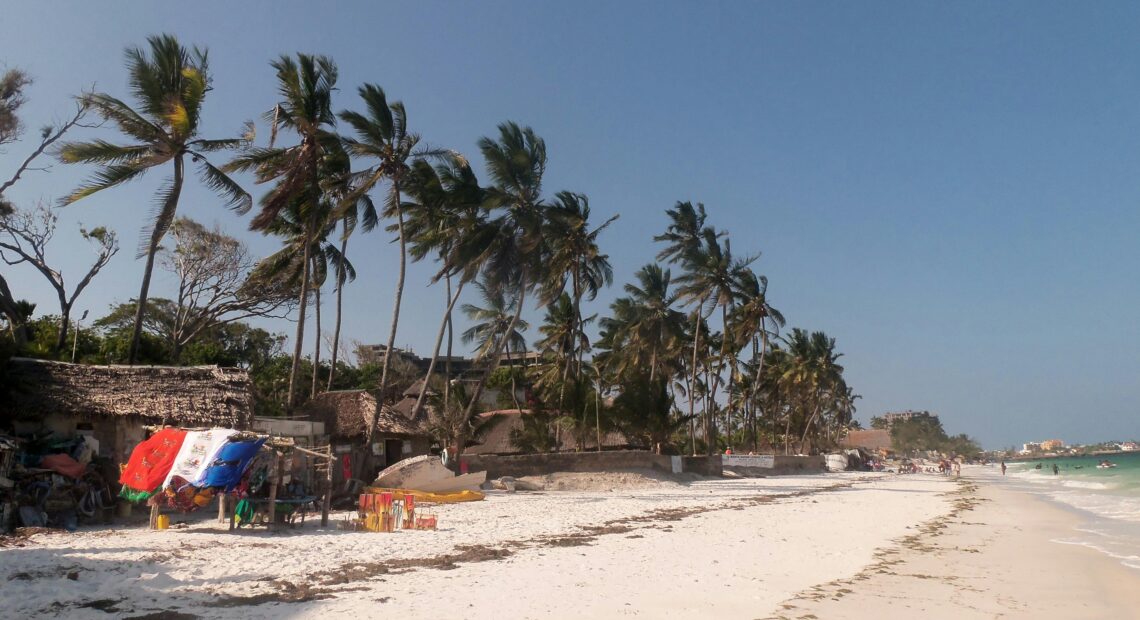
Mombasa, Kenya
June 16 -18 2026
Official website: https://www.ouroceanconference.org/conferences/mombasa-2026/
The Our Ocean Conference (OOC) 2026, set to take place in Mombasa, Kenya, marks an important moment for global ocean governance. Since its launch in 2014, the conference has developed a reputation not for rhetoric, but for results — bringing together governments, businesses, NGOs, and research institutions to make tangible commitments for ocean protection.
The choice of Mombasa is significant. It shifts the centre of discussion towards regions that are directly experiencing the pressures placed on marine ecosystems — from climate change and coastal erosion to overfishing and pollution. It also signals a broader recognition that solutions must be inclusive, grounded, and globally coordinated.
A conference built on commitments
Unlike many international gatherings, the Our Ocean Conference operates on a clear principle: participation should lead to action. Previous editions have generated thousands of commitments, collectively valued in the tens of billions of dollars, covering areas such as marine protected areas, sustainable fisheries, ocean pollution, and climate resilience.
These commitments are not symbolic. They are tracked, reported, and increasingly scrutinised. This accountability is what gives the conference its weight.
For 2026, expectations are likely to be higher still. As the effects of climate change intensify and biodiversity loss becomes more visible, the pressure to move beyond incremental progress continues to grow.
Why Mombasa matters
Hosting the conference in Kenya brings attention to the Western Indian Ocean — a region of extraordinary biodiversity and economic importance. Coastal communities here rely heavily on the ocean for livelihoods, making sustainability not just an environmental concern but a social and economic one.
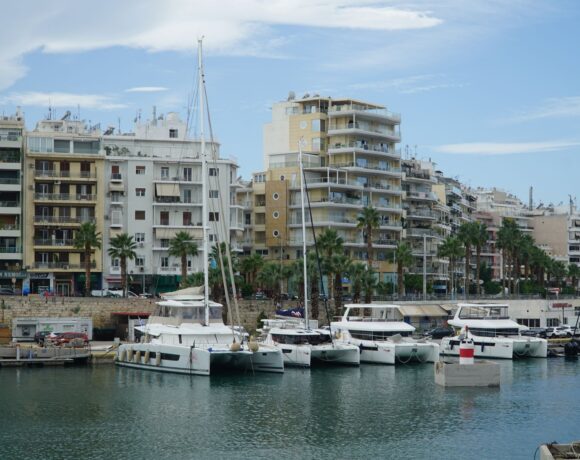
Mombasa itself is a fitting location. As a major port city, it sits at the intersection of global trade and local ecosystems. This dual role reflects the broader challenge facing the maritime sector: how to balance economic activity with environmental responsibility.
The regional perspective is likely to shape the tone of the conference. Issues such as coastal resilience, fisheries management, and marine pollution are not abstract topics here — they are immediate and tangible.
Key themes expected in 2026
While the final agenda will be confirmed closer to the event, several themes are likely to take centre stage:
🌊 Marine protection and biodiversity
Efforts to expand marine protected areas and safeguard critical habitats will remain a core focus. The global push towards protecting 30% of the ocean by 2030 continues to drive policy and investment.
♻️ Tackling ocean pollution
Plastic pollution, in particular, remains a visible and urgent issue. Expect renewed commitments around waste management, circular economy initiatives, and reduction strategies.
⚓ Sustainable shipping and blue economy
The role of maritime industries will be increasingly prominent. Discussions are likely to explore how shipping, ports, and offshore sectors can align with sustainability goals while maintaining economic viability.
🌱 Climate adaptation and coastal resilience
For many regions, adapting to climate impacts is as important as mitigating them. Nature-based solutions, such as mangrove restoration, are expected to feature strongly.
A growing role for industry and finance
One of the defining features of the Our Ocean Conference is the involvement of the private sector. Shipping companies, energy firms, financial institutions, and technology providers are all part of the conversation.
This reflects a broader shift. Ocean sustainability is no longer viewed solely as a public sector responsibility. Investment, innovation, and commercial incentives are increasingly recognised as essential components of change.
For organisations working within or alongside the maritime industry, this creates both a challenge and an opportunity. There is a clear expectation that environmental responsibility must be integrated into business strategy.
Why it matters for the maritime community
For the maritime sector, the outcomes of OOC 2026 will extend beyond the conference itself. Commitments made here often influence regulation, funding priorities, and public expectations.
There is also a reputational dimension. As awareness of ocean issues grows, companies are under greater scrutiny from customers, partners, and regulators alike.
Engagement — whether through participation, partnership, or communication — is becoming increasingly important.
A moment for alignment
The Our Ocean Conference in Mombasa arrives at a time when alignment is urgently needed. Scientific understanding, policy ambition, and industry capability are all advancing, but not always at the same pace.
Events like this provide a space to bring those elements together.
They do not solve the challenges facing the ocean overnight. But they help to set direction, build momentum, and — importantly — create accountability.
For anyone working in maritime, marine ecology, or sustainability, OOC 2026 is not just another event on the calendar. It is a signal of where expectations are heading, and how quickly they are changing.