March has brought a subtle but telling set of developments across marine ecology. Nothing dramatic on the surface, yet beneath that calm, patterns are becoming clearer. Seasonal transitions — from winter to spring in the northern hemisphere — have once again revealed how tightly marine systems
(Portsmouth, 20 March 2026) – Fuel strategy in global shipping is increasingly being shaped by immediate commercial realities rather than long-term decarbonisation targets, according to BAR Technology, as volatility in energy markets pushes operators to rethink how they power their fleets. A combination of infrastructure disruption, geopolitical risk and persistent
In a region where trade routes have shaped economies for centuries, Seatrade Maritime Logistics Middle East continues to stand out as one of the most important gatherings for shipping, ports, and logistics professionals. Set against the backdrop of Dubai — a city that has become synonymous with global connectivity — the 2026 edition promises a […]
By Sjoerd de Jager, CEO and Co-Founder, PortXchange (16 March 2026) – Rising tensions around Iran and the Strait of Hormuz are once again reminding the maritime industry how quickly global shipping routes can change. Nearly one-fifth of the world’s oil supply moves through the Strait, making it one of the most strategically sensitive corridors […]
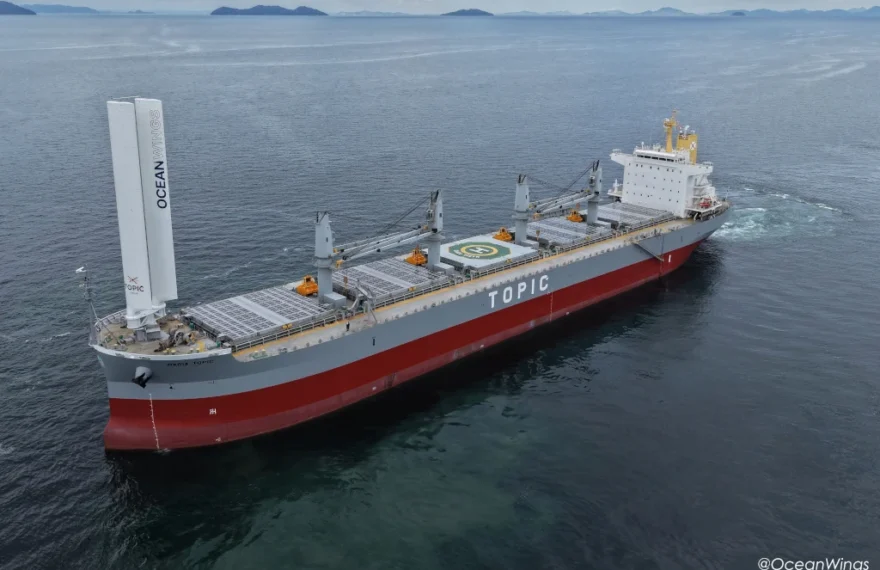
(Portsmouth, UK – 12 March 2026) — Bureau Veritas Marine & Offshore (BV) has completed a technical review confirming BAR Technologies’ calculation of available effective power of the two 37.5m WindWings® of 760m² installed on the tankers as part of UML AeroPower LR2 programme. The approval confirms that BAR Technologies’ computational fluid dynamics (CFD) approach […]
February has been a month of quiet but meaningful shifts across marine ecology. Rather than a single defining headline, the past few weeks have revealed a pattern: incremental change, often fragile, occasionally encouraging, and always shaped by the tension between economic pressure and environmental necessity. Below is a grounded overview of the most relevant developments
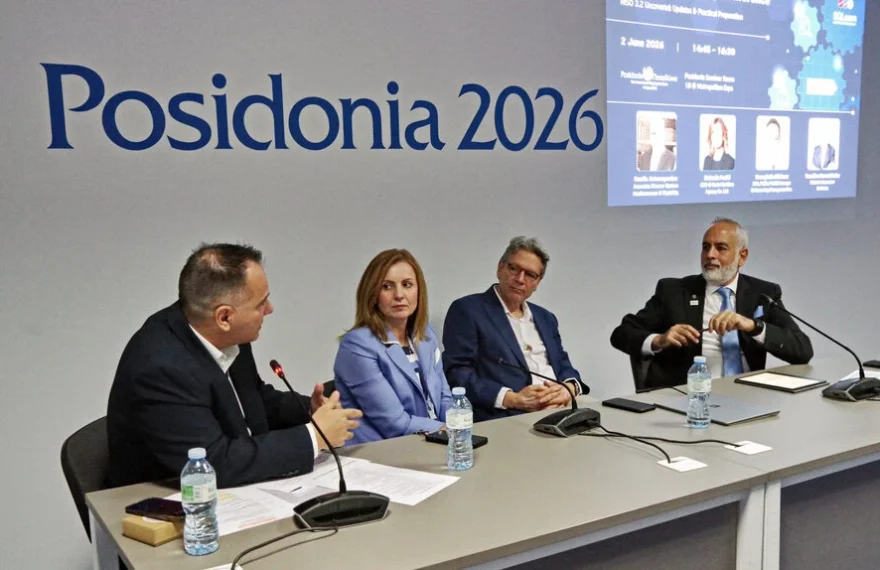
Could the next great leap in maritime propulsion come not from alternative fuels, but from the atom? That question will move from the margins of industry debate to centre stage at Posidonia 2026, during a high-level Executive Briefing that will examine the role of advanced nuclear technologies in commercial shipping and near-shore power generation. Hosted […]
Key points UK shore power projects in Aberdeen and Portsmouth expose structural flaws in the commercial model, not failures of the technology. High industrial electricity prices are making it cheaper for some vessels to burn diesel than plug into clean power. Without reform, investor confidence and fleet electrification decisions could stall. Maritime decarbonisation
Cleaner Seas was created to give the maritime and marine ecology sectors something that was missing: informed, independent, well-written coverage of the transition taking place across shipping, ports, offshore energy and ocean science. Over the past year, our readership has grown steadily. Industry professionals, sustainability leads, shipowners, engineers, innovators,
January has a way of slipping past quietly. No big announcements. Just field notes, survey logs, small adjustments in temperature graphs, and long hours at sea. If you read marine science papers in winter, you notice something: the tone is measured. Just careful observation. And yet, taken together, those observations matter. This month has already […]