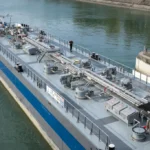
AI in shipping operations
AI In Shipping: From Fleet Management To Pre-Inspection And Emissions Insight
AI is moving from conference slides into the day-to-day work of fleet teams, inspectors, compliance staff and software suppliers. The useful question is no longer whether shipping will use AI. It is where AI can help people make better decisions, and where it still needs firm human judgement.

Short Answer
AI in shipping is most useful when it narrows a decision for a human team. It can help prioritise inspections, spot machinery patterns, improve voyage planning, estimate emissions, flag cargo delays, organise crew workflows and support safety decisions. It is weakest when poor data, unclear ownership or overconfident automation turn a helpful signal into a risky instruction.
Shipping has always run on judgement. A superintendent knows which vessel needs attention before the dashboard turns red. A chief engineer hears when a pump is not quite right. A compliance manager can tell the difference between a tidy report and a vessel that is genuinely ready for inspection.
AI does not replace that judgement. At its best, it gives experienced people a cleaner view of the work in front of them. It can pull patterns from logs, photos, sensor readings, voyage data, forms, weather feeds, noon reports and maintenance records. It can also make a mess if the data is thin, the model is badly explained, or the company has not decided who is allowed to act on the output.
That is why the practical test for AI in shipping is simple: does it help the right person take the right next step earlier, with better evidence?
42%
Defect photos, checklist history and vessel trends help teams prepare before an audit or port state control visit.
33%
Weather, speed, fuel and port-call data can be turned into clearer voyage and carbon decisions.
25%
AI can reduce admin drag, but only if it fits real onboard routines.
The chart above is an editorial guide, not an industry benchmark. For most operators, the balance will depend on vessel type, trading pattern, data maturity and inspection exposure.
Where AI Is Already Useful In Shipping
AI in shipping is often discussed as one large technology shift. In practice, it is a set of smaller tools that sit inside fleet management, maintenance, inspection, safety, crewing, emissions and cargo systems. The value comes from joining those tools to a real operating problem.
Pre-inspection and defect prioritisation
Inspection is one of the strongest near-term uses. AI can review defect histories, crew reports, photos, checklist responses and overdue actions to show which vessels need attention before a class survey, customer audit or port state control risk becomes expensive.
Safety decision support
Safety tools can flag repeat near misses, weather exposure, fatigue signals, overdue drills, hazardous work patterns or weak permit-to-work controls. The aim should be earlier intervention, not a black-box verdict on crew performance.
Predictive maintenance
For machinery, AI can look for vibration, temperature, pressure, fuel, lubricant and running-hour patterns that suggest wear or poor operating conditions. The useful output is not “the engine will fail on Friday”; it is “inspect this component sooner and check these likely causes”.
Route planning and voyage optimisation
AI-supported routing can compare weather, currents, port windows, speed choices, fuel use, emissions exposure and charter requirements. It should help masters and shore teams understand trade-offs, not pretend there is always one perfect route.
Emissions insight
AI can help convert operational data into emissions estimates, anomaly checks and scenario planning. This matters for CII, EU ETS, FuelEU Maritime, customer reporting and internal fuel decisions. It also helps teams spot when reported performance does not match operational reality.
Cargo visibility
For cargo owners and operators, AI can combine AIS, port data, booking information, equipment status and exceptions to estimate delays and highlight disruption. The commercial value is clearer customer communication and fewer surprises.
What Vendor Examples Tell Us
Cleaner Seas has already covered practical vendor stories that show where the market is heading. The lesson is not that every operator needs the same platform. It is that the stronger products usually focus on a specific operational pain point.
The UniSea and Kaiko Systems coverage points towards a useful direction for inspection and fleet quality work: structured reporting, clearer defect evidence and better preparation before formal inspections. The promise is not magic. It is fewer blind spots, better follow-up and less scrambling when an inspection date is close.
The PortXchange carbon insight coverage is relevant because emissions work depends on behaviour as much as calculation. If a port call, waiting time or arrival pattern changes, the carbon picture changes too. Good software should help operators see the operational cause, not only the carbon number.
The Posidonia AI coverage shows how quickly AI has become part of the maritime technology conversation. That attention is useful, but it also brings noise. Fleet teams need to separate practical tools from demos that look impressive but depend on data most operators do not have.
Fleet Management: AI As A Better Triage Layer
Fleet management systems already hold a large amount of information: certificates, tasks, maintenance plans, crew reports, non-conformities, incident records, purchasing data, bunker records and voyage documents. The problem is rarely lack of data. It is finding the small signal inside a busy operating week.
AI can help by ranking work. A vessel with repeated minor defects in the same area may deserve attention before a single overdue low-risk item. A ship trading into stricter inspection regions may need a different preparation pattern from a sister vessel on a predictable route. A maintenance warning becomes more useful when it is connected to spare parts, crew availability and the next port call.
For technical managers, this is where the business case becomes clear. AI should reduce avoidable off-hire, inspection detention risk, duplicated admin and late surprises. If it only adds another dashboard, the project will struggle.

Pre-Inspection: Less Panic, Better Evidence
Pre-inspection work is often rushed because the same people are already dealing with maintenance, crew questions, port calls and customer requests. AI can help teams prepare earlier by looking across previous findings, open defects, images, checklist gaps and recurring weak areas.
A practical pre-inspection workflow might look like this:
- Collect: bring together checklist answers, photos, defect notes, certificates, past inspection findings and planned maintenance status.
- Score: rank the items by inspection risk, safety relevance, repeat history and time needed to fix.
- Assign: send the right actions to vessel and shore teams with clear evidence attached.
- Review: ask a responsible person to approve, reject or adjust the AI suggestion.
- Learn: compare the next inspection result against the model’s predictions and improve the rules.
The human review step matters. A photograph can show corrosion, poor housekeeping or missing signage, but it may not show context. A model can flag a pattern, but a superintendent still needs to decide whether it is urgent, routine or already handled.
Emissions Insight: Better Questions, Not Just Better Charts
Emissions reporting is becoming more detailed, more commercial and more exposed to challenge. AI can help with estimates, gap filling, anomaly detection and scenario planning. It can also make bad data look tidy if the source data is weak.
The useful emissions questions are practical:
For compliance teams, AI should support a clear audit trail. If the company cannot explain the data source, assumptions and approval process, the output may be difficult to defend. This matters when emissions figures affect customer claims, regulatory exposure, charterparty discussions or investment decisions.
Crew Workflows: Help The Vessel, Do Not Feed The Office
Crew-facing AI will only work if it respects life on board. A tool that asks for more input without removing other work is unlikely to last. A tool that helps crew complete a report faster, find the right procedure, translate a technical note, prepare a handover or attach evidence to a defect can earn trust.
The best crew workflows are small, clear and forgiving. They work with poor connectivity. They do not bury the crew in notifications. They let someone correct the record. They make it obvious when a recommendation is advisory rather than mandatory.
There is also a culture point. If AI is presented as surveillance, people will work around it. If it is presented as a way to reduce admin and catch problems earlier, it has a better chance.
The Risks: Data Quality, Governance And Overconfidence
AI projects in shipping tend to fail quietly before they fail loudly. The dashboard is launched, the first users are curious, then the outputs feel unreliable or hard to act on. Within months the tool becomes background noise.
The common reasons are not mysterious:
Weak data
Forms are inconsistent, sensors are missing, photos are unclear, vessel names do not match, or old findings were closed without enough detail.
No owner
No one is clearly responsible for approving the AI output, correcting errors or changing the process when the tool finds a real issue.
False confidence
A clean score can hide uncertainty. A model may be confident because it has seen similar data, not because the situation is safe.
Poor fit
The system may suit the office but not the vessel, or it may suit one fleet segment but not another.
Governance does not need to be heavy. It needs to be clear. Decide which AI outputs are advisory, which can trigger a workflow, which require manager approval and which should never be automated. Keep a record of model changes, data sources, user corrections and known limitations.
A Sensible AI Governance Split
A balanced programme gives more time to data and decisions than to the model itself. The model matters, but shipping value usually comes from cleaner inputs, trusted workflows and measured outcomes.
AI
control
control
30% workflow ownership
20% model testing
10% reporting
A Buyer Checklist For Maritime AI Tools
Before buying or building an AI tool, ask questions that link the technology to operating value:
- Audience: Who will use the output: master, chief engineer, superintendent, HSEQ manager, chartering team, compliance team or customer service?
- Intent: What decision should the tool improve: inspect, maintain, reroute, report, alert, explain or follow up?
- Landing page: Where should the user arrive inside the system: vessel view, defect record, emissions dashboard, voyage plan or task list?
- Conversion action: What should happen next: assign a task, request evidence, approve a recommendation, create a report or contact a supplier?
- Follow-up: Who checks whether the action was completed and whether the AI suggestion was useful?
- Measurement: Which metric proves value: fewer detentions, faster close-out, lower fuel burn, fewer repeat defects, fewer manual hours, better customer updates or cleaner audit evidence?
This is also the commercial lens for maritime software suppliers. Buyers do not need another vague AI promise. They need a tool that fits a vessel’s working day, speaks to existing systems and helps teams show measurable improvement.
What To Do Next
For fleet and technical teams, the best first step is to choose one narrow use case. Pre-inspection readiness, emissions anomaly checks or predictive maintenance on a defined machinery group are good candidates because the data, owner and outcome can be made visible.
For compliance and class teams, the priority is explainability. AI can help organise evidence and highlight risk, but decisions that affect safety, certification or regulatory exposure need a clear audit trail.
For software suppliers, the opportunity is to show proof from real operations. A case study that explains the starting problem, the data used, the human decision point and the measured result will do more than a broad claim about AI-powered shipping.
Related Cleaner Seas Reading
Submit A Practical AI Case Study
Cleaner Seas is looking for real examples of AI improving safety, emissions or operational efficiency in shipping. Useful submissions should explain the operating problem, the data used, the human decision involved and the result achieved.
Submit a case study on AI improving safety, emissions or operational efficiency
Internal Editorial Notes
- Tracking: monitor GSC queries around “AI in shipping”, “AI shipping inspection”, “maritime AI emissions” and related long-tail searches.
- Conversion tracking: track article-to-contribution clicks and CTA clicks from the related reading block.
- Social signal: monitor LinkedIn saves and comments from fleet managers, technical managers and maritime software suppliers.
- Next improvement: create a comparison-style follow-up: “AI in shipping: operational value versus compliance risk”.