SMM Hamburg 2026 review
SMM Hamburg 2026: Highlights, Statistics and Takeaways from Four Busy Days
SMM Hamburg 2026 has wrapped up, leaving the maritime community with plenty to discuss and, hopefully, some useful new contacts to follow up.
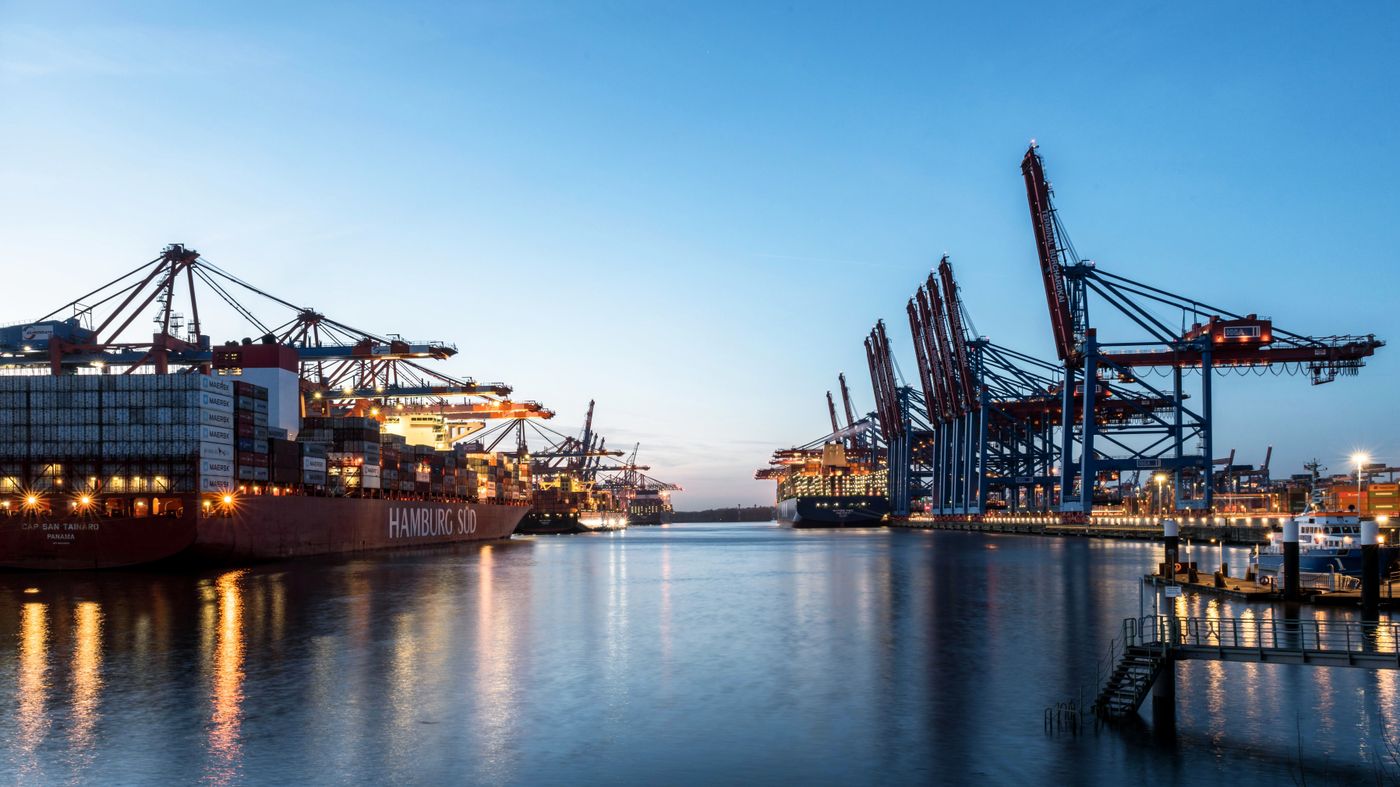
Held from 1 to 4 September, the Shipbuilding, Machinery and Marine Technology exhibition brought together people working across ship construction, equipment, operations and maritime services. For anyone who missed it, this review brings the main developments into one place. Hamburg’s event overview explains the exhibition’s broad industry scope.
The most revealing takeaway was a shift in emphasis. According to the organiser’s closing report, security gained prominence while decarbonisation remained a strategic priority. Read together, those themes suggest an industry balancing immediate operational pressures with longer-term change. The official post-event report provides the basis for that assessment.
SMM 2026 in numbers
The organiser’s preliminary closing figures give a useful sense of scale:
- More than 50,000 participants, described as record attendance.
- Participants representing 134 nations.
- Around 2,300 exhibiting companies from 66 countries.
- More than 90,000 square metres across 12 exhibition halls.
- Over 70% of exhibitors coming from outside Germany.
These were estimates extrapolated at noon on the final day, rather than fully audited totals. The closing report also said final satisfaction results were unavailable following a change in survey methodology. Source: SMM closing figures, 4 September 2026.
Security moved higher up the agenda
The new Naval Hall B8 brought maritime defence into sharper focus. The organiser highlighted discussions about unmanned systems, sensors, cybersecurity and protecting critical infrastructure, alongside calls for faster procurement. Source: SMM’s security review.
For commercial readers, the practical connection is continuity. A shipping business needs confidence that its vessels, information and supporting infrastructure can keep working when conditions become difficult. Security therefore deserves a place in everyday purchasing and planning conversations.
A useful follow-up question for suppliers is how their equipment behaves when a normal input becomes unavailable. Can crews understand the fallback process? Are responsibilities clear? Those questions help translate a broad conference theme into decisions that operations teams can actually assess.
Energy efficiency offered a practical starting point
The Energy Efficiency Hub gave visitors a dedicated area for comparing approaches to reducing energy use. Its announced line-up covered 24 companies and technologies including wind assistance, electrification, performance monitoring, retrofits and onboard carbon capture. The organiser’s Energy Efficiency Hub briefing sets out the range.
One example was BAR Technologies’ WindWings Hub, described in that briefing as a digital platform for monitoring wind-assisted propulsion. Its intended functions included analysing voyage efficiency, fuel savings and maintenance needs. This illustrated an interesting link between physical equipment and the information needed to manage it. Source: SMM’s technology preview.
For owners reviewing the options after Hamburg, the sensible next step is a vessel-specific comparison. Ask which operating conditions underpin a savings estimate, what installation involves and how performance will be measured afterwards. A clear baseline makes it easier to judge whether a promising demonstration could become a worthwhile investment.
Product highlights made the discussion tangible
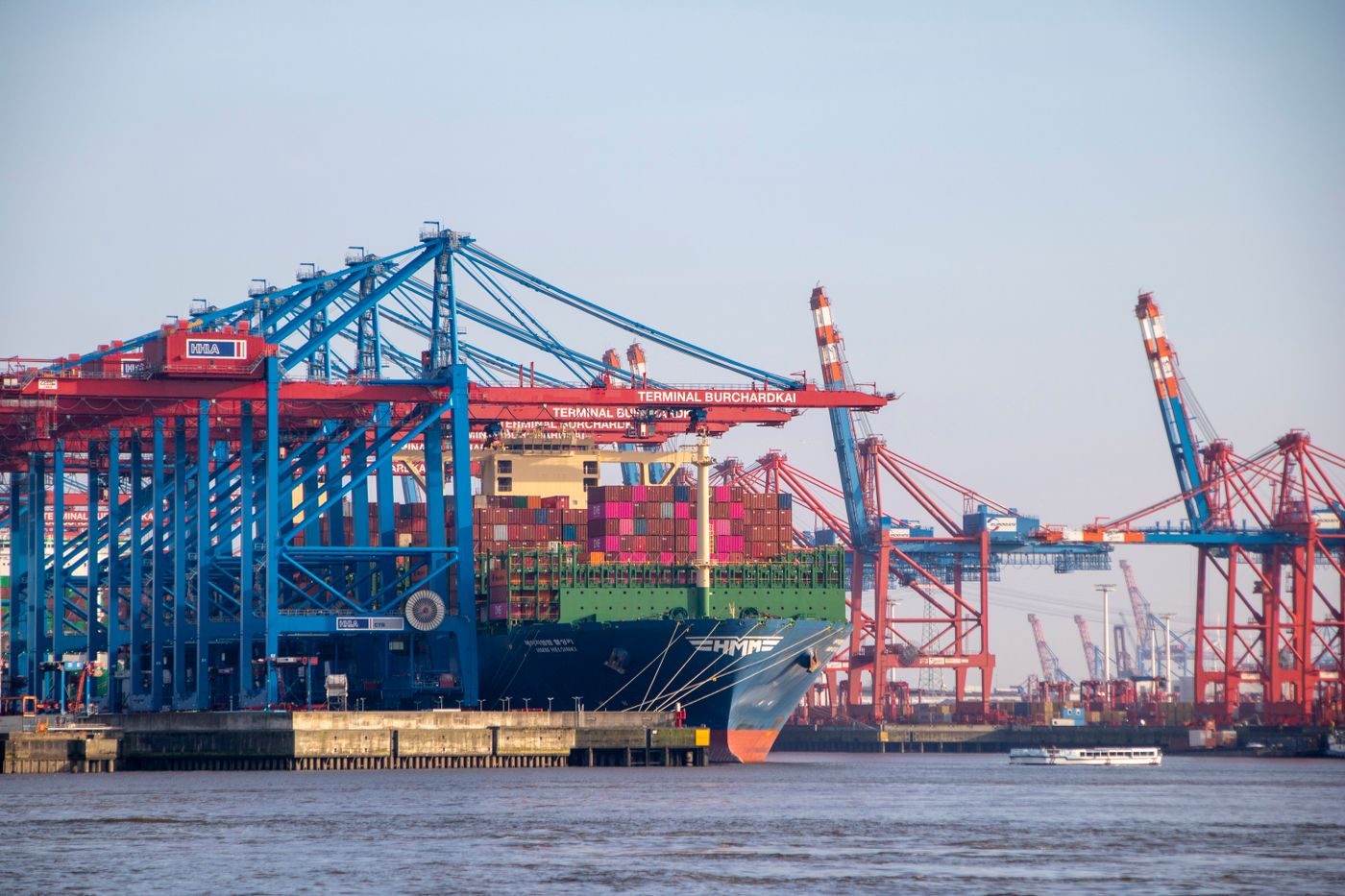
Alfa Laval’s own event recap identified two featured innovations: the Hukka-5 waste heat recovery boiler for cruise vessels and passenger ferries, and PureBallast 3 Ultra Skid, a ballast water management system configuration designed to simplify installation. Its review also covered fuel transition, digitalisation and lifecycle support. Source: Alfa Laval’s SMM 2026 recap.
These examples show why product detail matters in an event review. Improving the use of available heat addresses one operational challenge; making equipment easier to install addresses another. Both give prospective customers something specific to investigate after the exhibition.
They also offer a useful reminder when reading launch announcements: a manufacturer’s description explains the intended benefit. Buyers still need to establish suitability for their vessel, installation timetable and operating profile. The best follow-up conversation starts with those details.
Navigation technology focused on clearer decisions
Anschütz’s SMM materials provided another concrete example through AUTONOMICS CGA, its collision and grounding avoidance development. The company described a system combining radar, AIS, electronic charts and AI-supported optical and infrared sensing into a shared navigational picture. It also described manoeuvring guidance intended to support the navigator while preserving human control. Source: Anschütz’s product announcement.
Its separate software preview described improvements to SYNAPSIS NX, including external sensor information displayed within electronic charts and changes to route monitoring and anchor watch functions. Source: Anschütz’s SMM software briefing.
The useful editorial takeaway is about clarity. More information becomes valuable when a crew can understand and act on it. For anyone assessing these developments, demonstrations should therefore cover awkward scenarios as well as ideal conditions: conflicting inputs, uncertain targets and the handover between automated assistance and human judgement.
Conferences connected the bigger picture
SMM’s published programme combined five stages with five international specialist conferences. These included the Maritime Future Summit, Global Maritime Environmental Congress, MS&D, Offshore Dialogue and TradeWinds Shipowners Forum. The programme also introduced an Exhibitor Innovation Stage for shorter technology presentations. Source: the organiser’s programme overview.
That breadth gave the event a useful structure: visitors could place individual products within discussions about operating priorities, environmental change and investment. For a mixed technical and commercial team, the opportunity was to compare what different parts of the industry considered urgent.
When reviewing conference notes now, it is worth separating three things: a speaker’s forecast, a supplier’s claim and an independently demonstrated result. Each can be useful, but they answer different questions. Keeping that distinction makes an internal event debrief much more informative.
Ports and people were part of the story
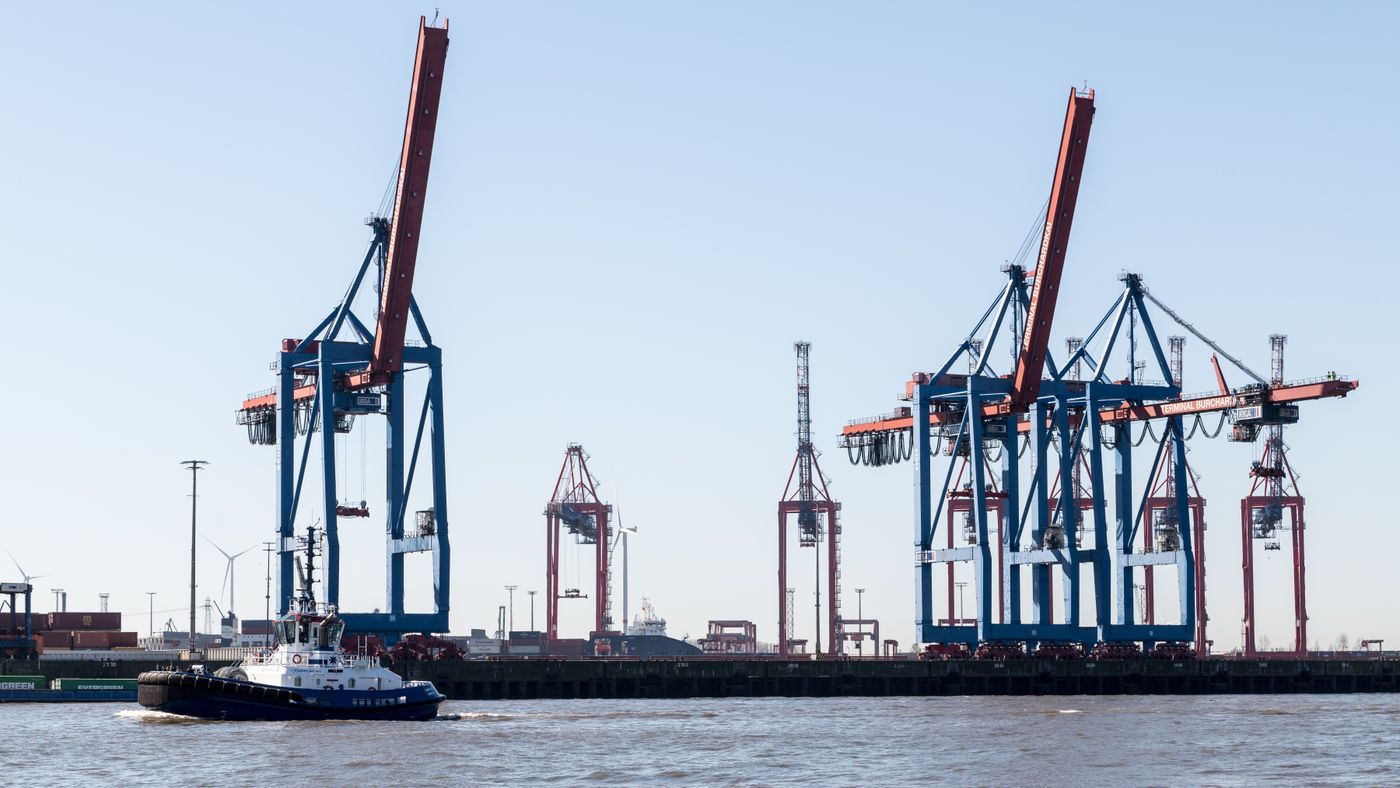
The wider programme extended into port operations. ALL ABOUT PORTS was scheduled alongside SMM at the CCH on 2 and 3 September, addressing digitalisation, automation, sustainability, safety and logistics. The organiser positioned it around ports’ growing importance as energy and logistics centres. Source: SMM’s programme briefing.
The same briefing set out the Maritime Career Market for 3 and 4 September, with employers, career information and routes helping jobseekers identify recruiting exhibitors. Students, school pupils and accompanying teachers were offered free admission on those days. Source: SMM’s career programme.
Putting these subjects beside marine technology makes sense. New equipment needs people who can operate and maintain it, while changes aboard a vessel often depend on what is available ashore. A useful event review should keep those connections visible.
The investment context behind the exhibition
Some helpful background comes from the SMM Maritime Industry Report 2025, published before this edition. Its survey involved nearly 1,500 executives. It reported that 60% of shipowners felt growing pressure to improve fleet energy efficiency, while 48% planned to order new vessels by 2026. These are earlier survey findings, not results collected at the September exhibition. Source: Maritime Industry Report 2025 summary.
That distinction helps explain the event without overstating its achievements. Investment intentions provide context for the technologies on display, but attendance and conversations alone cannot tell us how many projects will proceed. The stronger measure will be what happens after the introductions: trials, technical evaluations, orders and operational results.
The value of meeting face to face
There was also a social side to the published programme, including Maritime Start-up Night, Career Happy Hour, receptions and informal gatherings around the exhibition stages. These formats gave participants additional opportunities to meet beyond scheduled appointments. Source: SMM’s networking programme.
For smaller businesses, an informal introduction can be a useful opening. It gives both sides time to establish whether they share a problem worth exploring, before committing to a longer technical meeting. The follow-up still matters: a brief, relevant message is more helpful than a general sales presentation.
For first-time visitors reviewing their experience, there is no need to measure success by how many stands they reached. A handful of well-matched contacts, a clearer understanding of one technology and a better question for an existing supplier can all be worthwhile outcomes.
That is perhaps the friendliest way to assess a large exhibition. Nobody needs to absorb everything. The aim is to return with something useful for the people, vessels or projects you work with, and then give those ideas a next step back at work.
Turn the Hamburg conversations into next steps
If you attended, choose three contacts to follow up with this week. Give each conversation a specific purpose: request operating evidence, arrange a technical discussion or clarify an installation requirement. Record the next action and who owns it.
If you missed the exhibition, start with the technologies most relevant to your current challenge. Our articles on AI in shipping and the changing role of green ports offer further reading. Use them to build a short list of questions before approaching suppliers.
Frequently asked questions
What does SMM stand for?
SMM refers to Shipbuilding, Machinery and Marine Technology. Hamburg’s official visitor guide explains the event.
Has SMM Hamburg 2026 finished?
Yes. It ran from 1 to 4 September 2026. Source: official event dates.
When is the next SMM?
The next edition is scheduled for 5 to 8 September 2028 in Hamburg. Source: the official SMM website.