Marine Ecology Digest
Marine Ecology Digest: July 2026
July’s marine ecology news was a reminder that the ocean is changing faster than many management systems. Marine heatwaves persisted, coral monitoring stayed urgent, and protected area work kept moving towards climate vulnerability and local governance.
July In Brief
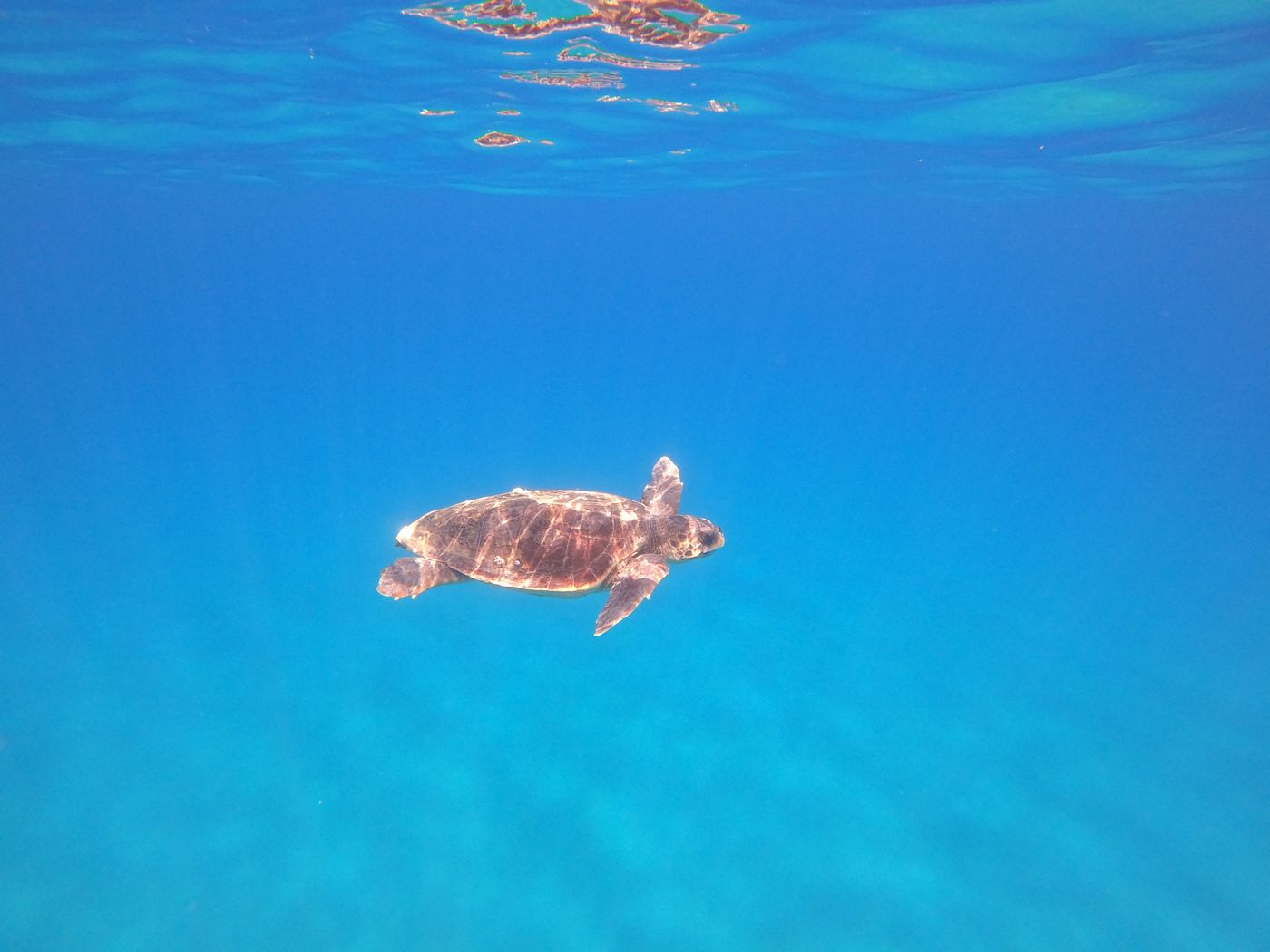
In July 2026, NOAA’s marine heatwave outlook showed widespread heat stress across several ocean regions, UNESCO advanced work on climate vulnerability guidance for MPAs, and IUCN highlighted regional and local marine conservation efforts in the Coral Triangle and Zanzibar.
July felt like a month of aftershocks. NOAA had already reported in June that the fourth global coral bleaching event likely ended in mid-2025, but July’s marine heatwave conditions showed why nobody should read that as relief. Heat stress is now a recurring management condition, not an occasional emergency.
The month also showed how the response is changing. Marine protected area work is becoming more climate-aware. Coral reef monitoring is becoming more standardised. Local seascape governance is getting more attention because coastal communities often see ecological change before it becomes visible in national reporting.
Marine Heatwaves Remained A Live Ecological Pressure
NOAA’s July 2026 marine heatwave forecast discussion reported that, in June, 33% of the global ocean experienced marine heatwaves. Conditions were present in the Eastern Pacific, the Sea of Japan and Kuroshio Extension region, the Northeast Atlantic and Norwegian Sea, the Mediterranean Sea, the Tasman Sea and parts of the Southern Ocean.
For marine ecology, the important point is not only the percentage. It is the spread of affected systems. Marine heatwaves can alter plankton communities, push fish away from usual feeding grounds, damage kelp forests, increase coral bleaching risk and compound low-oxygen events. A fishery may feel the effect as changed catch. A reef manager may see it as bleaching. A coastal community may experience it through harmful algal blooms or tourism losses.
Heatwave forecasts are becoming operational tools. Managers can use them to time surveys, prepare bleaching response, alert tourism operators, protect restoration sites and watch for wildlife stress. Forecasts do not solve the problem, but they give people a chance to act before damage is fully visible.
Coral Monitoring Stayed Urgent After The Global Bleaching Event
NOAA’s June update that the fourth global coral bleaching event likely ended in mid-2025 included a hard figure: bleaching-level heat stress affected 84% of the world’s coral reef area from early 2023 to mid-2025. July’s outlooks kept the focus on what happens after an event of that scale.
The recovery question is not “Did the reef bleach?” It is more detailed: which corals died, which survived, which species are recruiting, whether algae are taking over open space, whether herbivorous fish remain abundant, and whether local pressures can be reduced while the reef recovers.
NOAA’s 2026 guidance on monitoring heat stress and coral bleaching is useful because it recognises the practical difficulty managers face during a bleaching event. Teams may have limited divers, limited time, variable visibility and a large area to cover. Standard operating procedures help compare sites and events instead of leaving each team to improvise under pressure.
Climate Vulnerability Became A Core MPA Question
UNESCO’s July update on climate vulnerability assessment for marine protected areas built on an April advisory board meeting. The project is developing global guidance to help MPAs understand climate exposure, ecological sensitivity, community impacts and adaptation priorities.
This is exactly where protected area management needs to go. A static MPA plan can fall behind when species distributions shift, storms alter coastlines, heatwaves damage habitats or local livelihoods change. Climate vulnerability assessment helps managers decide where to focus limited effort: reducing local pollution, protecting climate refuges, changing visitor management, strengthening fisheries rules or restoring habitats that buffer coastal risk.
The best part of the approach is the mix of ecological and social information. Marine ecosystems are not managed by data alone. Indigenous Peoples, local communities, fishers, tourism workers and site managers often know which changes are new, which pressures are tolerated, and which rules have a chance of being followed.
Local Seascape Governance Gained Ground
IUCN’s July update from Zanzibar reported the launch of the Northeast Unguja Seascape Multi-Stakeholder Forum. It brought together government, coastal communities, civil society, academia, the private sector and development partners to strengthen governance of an important marine landscape.
That kind of structure matters because many ecological pressures cross administrative lines. A seagrass meadow can be affected by boat traffic, fishing, water quality, tourism and coastal development. Mangroves can be shaped by land tenure, fuelwood use, storm risk and nursery habitat needs. A single agency rarely controls all of that.
Multi-stakeholder forums are not automatically effective. They need clear roles, authority, transparency and follow-through. But when they work, they make it harder for marine ecology to be treated as a side issue. They also give local knowledge a route into management decisions before conflict becomes the only way people are heard.
Coral Triangle Work Continued To Focus On Quality
IUCN also reported in July on Coral Triangle Marine Protected Area progress linked to the Green List programme. The core message was consistent with the rest of the month: protected areas need evidence of good governance, active management and conservation outcomes.
That is important because 2026 sits close to the 2030 biodiversity target. The temptation is to count area quickly. The better route is to increase protection while also proving that existing sites are resourced, monitored and trusted by the people most affected by the rules.
For the Coral Triangle, this is not abstract. Coral reefs, mangroves, fisheries and coastal communities are closely linked. If protection weakens livelihoods without improving ecological health, it will struggle. If it protects habitats while supporting stewardship and food security, it has a stronger chance of lasting.
What July Means For Marine Ecology Work
The operational lesson from July is that marine ecology teams need systems that can respond to change. Annual reporting alone is too slow for heatwaves, bleaching, algal blooms or sudden habitat damage. At the same time, emergency response cannot replace long-term monitoring.
The stronger model combines early warning, field observation, local reporting, clear thresholds for action and honest communication. That applies to reefs, kelp forests, seagrass, mangroves, estuaries and open-ocean species. It also applies to businesses whose licences, insurance, supply chains or reputation depend on healthy coastal ecosystems.
July did not offer a neat ending. It showed a sector learning to manage under repeated pressure. That is not comfortable, but it is more useful than pretending the next heatwave will be unusual.
Frequently Asked Questions
What was the main marine ecology issue in July 2026?
Marine heat stress was one of the main issues, alongside climate vulnerability planning for MPAs and stronger local seascape governance.
Did the fourth global coral bleaching event end?
NOAA reported in June 2026 that the fourth global coral bleaching event likely ended in mid-2025, but continuing high sea temperatures mean coral reef monitoring remains urgent.
Why do local seascape forums matter?
They can bring together the different groups whose decisions affect the same marine habitats, including communities, government, researchers, businesses and conservation partners.
Sources And Further Reading
- NOAA Physical Sciences Laboratory: Marine Heatwave Forecast Monthly Report, July 2026
- NOAA NESDIS: Fourth global coral bleaching event likely ended in 2025
- NOAA: Guidance for monitoring heat stress and coral bleaching events
- IOC-UNESCO: Climate vulnerability assessment in MPAs
- IUCN: Northeast Unguja Seascape Multi-Stakeholder Forum
- IUCN: Coral Triangle Marine Protected Areas and Green List progress
Need A Monthly Ocean Intelligence Series?
Cleaner Seas creates practical marine ecology digests for organisations that need to explain climate pressure, conservation action and ocean policy without flattening the science.