Biofouling management & marine ecology
Biofouling Management: Checks Before In-Water Hull Cleaning
In-water hull cleaning can support vessel performance, but removing marine growth is only part of the decision. Shipowners also need to protect coatings, control waste, meet local requirements and retain evidence. These checks help fleet managers commission cleaning with greater confidence.
What Should You Check Before In-Water Hull Cleaning?
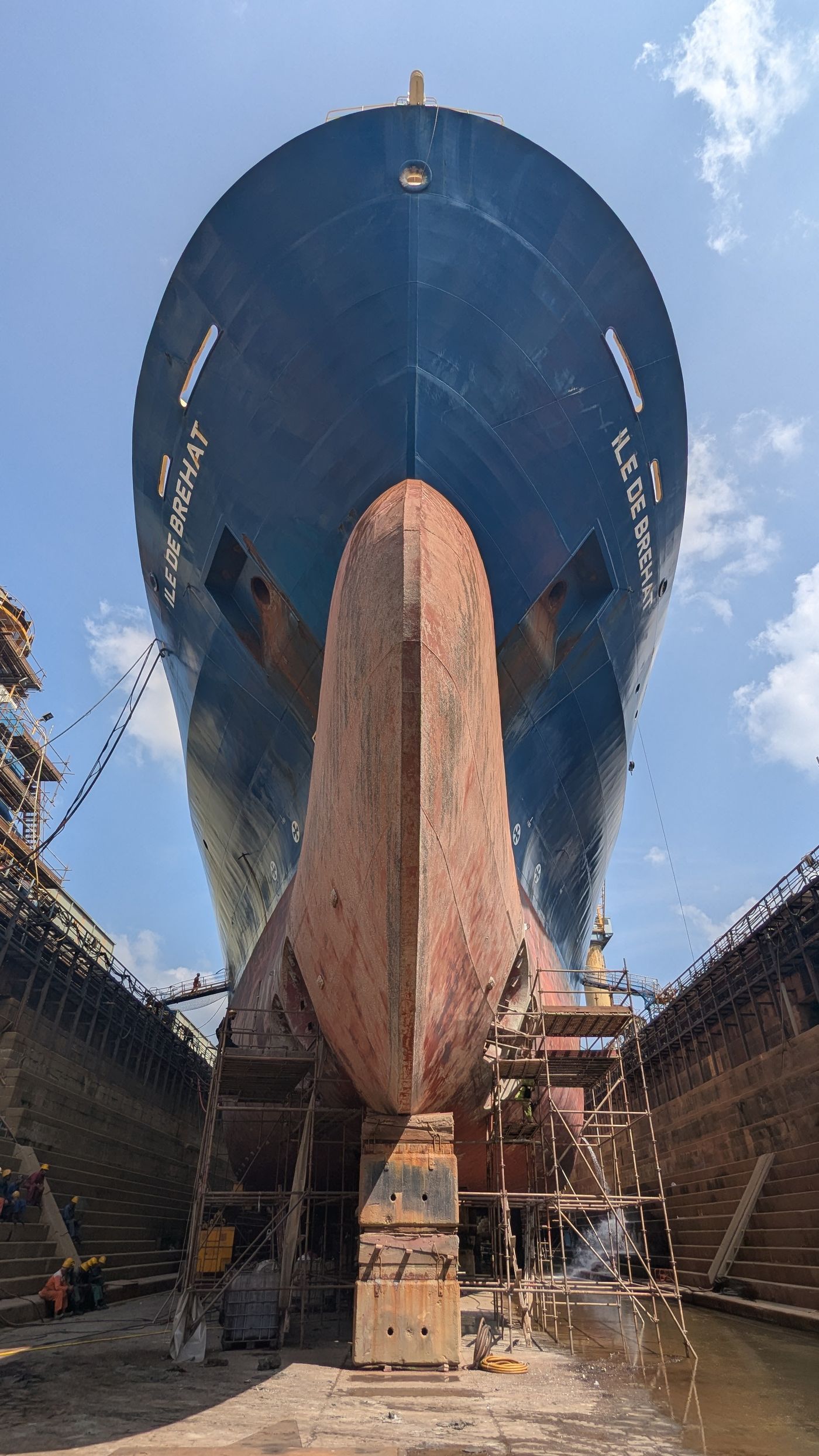
Check the vessel’s fouling condition, coating compatibility, cleaning permission, contractor capability, capture and waste arrangements, operational safety and reporting requirements. Agree the scope before work starts. A clean-looking hull does not, by itself, prove that cleaning protected the surrounding environment or preserved the coating.
For a fleet manager, hull cleaning often begins with an operational concern: increasing fuel use, reduced speed or an inspection showing marine growth. The commercial pressure is understandable. However, a rushed booking can create another problem if organisms or coating debris are released into harbour waters.
Effective biofouling management connects maintenance decisions with marine ecology. The useful purchasing question is whether a proposed method suits this vessel, this coating, this fouling condition and this location. A contractor’s availability is only one part of that assessment.
Why Biofouling Matters Beyond Fuel Consumption
Biofouling is the accumulation of aquatic organisms on submerged surfaces. It ranges from microbial films to larger growth such as barnacles and mussels. Hull fouling can increase resistance through the water, affecting fuel consumption and performance. The scale of that effect depends on the vessel and operating conditions.
The ecological concern is transport. Organisms attached to a ship may reach environments where they are not native. Some can establish populations and affect habitats, infrastructure or coastal industries. Cleaning must therefore consider where removed material goes, alongside how effectively it leaves the hull.
The IMO biofouling overview explains these risks and records the revised 2023 guidelines and 2025 in-water cleaning guidance. These documents inform management decisions; they do not provide automatic permission to clean in every port.
Start with Prevention, Not the Cleaning Booking
Review the biofouling management plan before requesting quotations. A vessel spending extended periods idle may need different inspection planning from one trading continuously. Record changes in operating profile, maintenance history and expected destinations so the plan reflects actual service.
Distinguish proactive removal of early growth from reactive cleaning of established fouling. The condition found during inspection should guide the response. Keeping growth under control can make maintenance easier, but frequent cleaning is not automatically appropriate if it conflicts with coating advice or local environmental requirements.
Inspect the Hull and Niche Areas First
Begin with a recent inspection that identifies where growth is present and describes its extent. Ask for dated photographs or video tied to recognisable vessel locations. If visibility prevents a reliable assessment, record the uncertainty and resolve it before agreeing an unsuitable cleaning scope.
Include niche areas such as sea chests, gratings, thruster tunnels and other sheltered recesses. A clean main hull does not establish that these areas are clean. Cleaner Seas’ coverage of niche-area fouling provides useful background.
The 2023 IMO Biofouling Guidelines support a vessel-specific approach. For procurement, turn the inspection into a marked scope: areas included, areas excluded, access constraints and evidence needed afterwards. Make responsibility for inaccessible areas explicit.
Confirm Permission for the Actual Cleaning Operation
Check requirements with the relevant authorities before booking. Permission may depend on the location, vessel history, fouling condition, coating and proposed method. An approval for one operation should not be assumed to cover another vessel, berth or cleaning system.
Australia illustrates why this matters. Its official in-water cleaning guidance describes a complex approval process involving relevant jurisdictions. Elsewhere, different rules apply. Ask your agent to identify the authorities and obtain written confirmation of applicable conditions.
Keep arrival biosecurity requirements separate from cleaning permission. Being accepted into a port does not necessarily authorise hull cleaning there. Build approval lead times into the maintenance schedule, and agree what happens commercially if permission is delayed or refused.
Match the Method to the Coating
Establish the coating product, application history and present condition. Then obtain the manufacturer’s advice for the proposed cleaning equipment and settings. A technique appropriate for one surface may damage another, shorten coating life or create additional waste.
Coating manufacturer Hempel discusses cleaning-related coating damage, illustrating why compatibility deserves attention. Its product-specific advice should not be generalised across every coating. Ask for instructions covering your installed system rather than relying on a broad claim that equipment is gentle.
Compare the cleaning price with the consequences of avoidable coating damage. A cheaper visit may become expensive if it creates remedial work or accelerates the next maintenance intervention. Record compatibility advice in the job specification so purchasing and technical teams share the same assumptions.
Examine Capture, Treatment and Waste Disposal
Ask the contractor to explain the complete waste pathway. Where does detached material go? How is it collected, separated and treated? What happens to the remaining water and retained solids? Capture at the cleaning head and treatment of collected material are separate questions.
The 2025 IMO cleaning guidance recognises risks from incomplete capture, inadequately treated discharge and coating damage. Whether cleaning without capture is appropriate depends on the guidance’s conditions and local requirements. Do not accept an unrestricted claim that it is environmentally harmless.
Request disposal arrangements and evidence for the proposed system’s environmental performance. Also ask what stops the operation if capture fails. A clear response procedure is more useful than a reassuring label such as “green cleaning” without supporting information.
Check What the Contractor’s Evidence Actually Covers
A certificate or test report needs context. Does it cover the equipment being offered, the surfaces involved and comparable fouling conditions? Are limitations stated? Evidence from a flat test surface may not answer questions about a vessel’s difficult recesses.
BIMCO’s testing and certification procedure provides an industry framework for assessing cleaning systems and environmental performance. Use it to ask informed questions about independent testing and declared operating limits, while checking what the local authority accepts.
ISO 6319:2026 addresses conducting and documenting in-water cleaning. If a provider claims conformity, request evidence and clarify its scope. Reference to a standard is not the same as permission for your proposed job.
An Example: Comparing Two Cleaning Quotes
Consider a hypothetical vessel returning to service after a period alongside. One contractor offers a low fixed price for accessible hull surfaces. Another includes inspection mapping, a detailed waste plan and a report identifying areas that cannot be reached.
The fleet manager should first make the scopes comparable. Does either quote address thruster tunnels? Who obtains approval? Is treatment included in the price? What happens if the inspection reveals heavier fouling than expected? A headline price cannot answer these questions.
The decision may be to change the scope, choose another location or postpone cleaning until suitable controls are available. Documenting that decision protects the maintenance budget and helps the next manager understand why the cheapest available option was not selected.
Agree Safe Operating Conditions and Stop Points
Coordinate the work with the master, port team and cleaning supervisor. Establish responsibilities for machinery isolation, diver or robot operations, communications and nearby vessel movements. Weather, currents, visibility and berth access may change what can safely be achieved during the available window.
Include explicit stop conditions in the work plan. Examples include lost communication, unexpected coating damage or failed waste controls. Agree who can stop the job, how incomplete work is documented and what evidence is required before equipment returns to service.
Retain Evidence and Review the Result
Specify the completion report before signing the contract. Request comparable before-and-after images, cleaned locations, exclusions, coating observations and waste documentation. An invoice saying “hull cleaned” gives the next technical manager little help when planning inspection or explaining the vessel’s maintenance history.
DNV’s ship-specific management advice reinforces the value of connecting cleaning with the vessel’s biofouling management plan. Update the record book and schedule follow-up according to operating conditions and inspection findings, rather than assuming one interval suits the whole fleet.
Assess performance changes using comparable operational data. Draft, speed, weather, route and machinery condition can affect consumption. Avoid attributing every improvement to cleaning or turning one successful job into a universal savings promise.
Use the next fleet review to compare planned work with delivered work. Track uncleaned areas, coating concerns, repeat visits and approval delays alongside expenditure. These measures reveal whether the maintenance process is becoming more predictable, even when immediate fuel savings are difficult to isolate.
For the next contract, turn recurring problems into clearer questions. Ask who supplies raw inspection footage, how exceptions are priced and when reports will arrive. Assign an owner to each unresolved item rather than allowing it to disappear between purchasing, the vessel and the superintendent.
Give the ship’s team access to the same documents as the office. Clear instructions and a realistic time window help everyone identify problems early, agree corrective action and avoid preventable operational delays during a busy port call.
Before You Authorise Cleaning: the Checklist
Vessel and location
- Recent inspection covers hull and relevant niche areas.
- Coating identity, condition and cleaning compatibility are documented.
- Local permission and operating conditions are confirmed.
Contractor and controls
- Testing evidence matches the proposed equipment and scope.
- Capture, treatment and disposal arrangements are explained.
- Safety responsibilities and stop conditions are agreed.
Evidence and follow-up
- Completion criteria include coating condition and excluded areas.
- Reports and images support the vessel’s maintenance records.
- A named manager owns follow-up inspections and unresolved actions.
Frequently Asked Questions
Is in-water hull cleaning allowed in every port?
No. Requirements vary by jurisdiction and location. Check the relevant authority’s conditions for the particular vessel, fouling condition, coating and cleaning method before commissioning work.
Does a capture system remove every environmental risk?
No. Its effectiveness depends on the equipment, operating conditions and handling of collected material. Ask for evidence covering capture, treatment, discharge and disposal, including limitations.
How often should a ship’s hull be cleaned?
There is no suitable universal interval. Use the vessel’s management plan, coating advice, trading pattern and inspection findings to determine when cleaning is appropriate.
Can a hull-cleaning robot replace inspection?
A robot may support inspection and cleaning, but its presence does not establish coating compatibility, permission or effective waste control. Assess the evidence and retain human responsibility for decisions.
Sources and Further Reading
Share Your Biofouling Management Experience
Cleaner Seas welcomes practical case studies from shipowners, ports, coating specialists and cleaning providers. Explain the operating problem, environmental controls and documented outcome so other managers can learn from your experience.
Send a case study to the editorial team, or enquire about advertising alongside our marine environmental coverage.